Secrets to Perfect Stuffing: Crispy Edges, Soft Interior Every Time
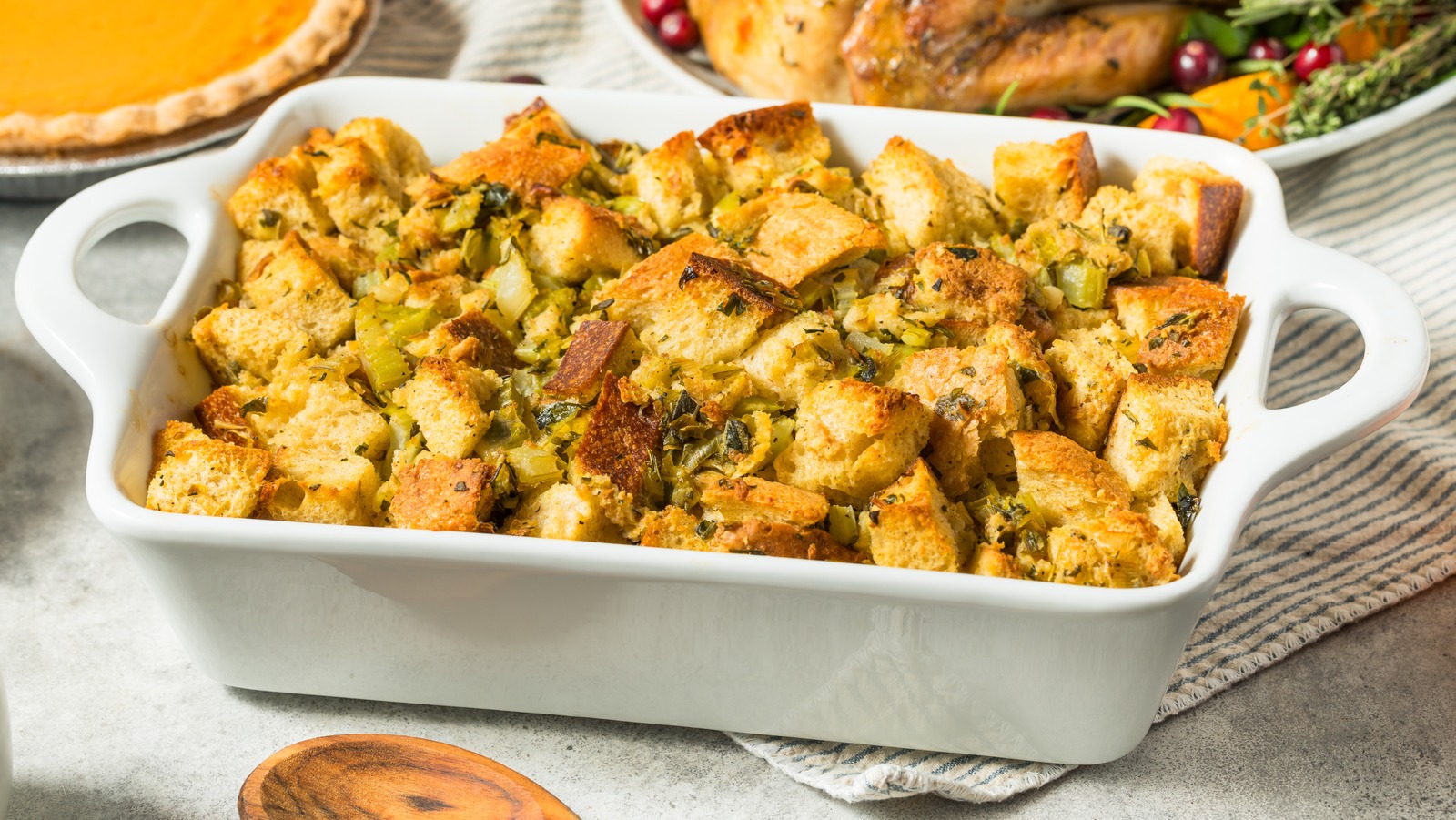
Few dishes evoke the warmth and comfort of home quite like a perfectly crafted stuffing. Golden and gloriously crispy on top, impossibly soft and buttery within, and fragrant with a symphony of aromatic herbs, it's the quintessential side dish that graces holiday tables and cherished family gatherings. Often hailed as the unsung hero of the feast, this beloved concoction, whether you call it "stuffing" or "dressing," holds a special place in culinary tradition. But what truly elevates a good stuffing to an unforgettable one? It's all about mastering a few key secrets that ensure those coveted crispy edges and a melt-in-your-mouth interior every single time. Get ready to discover the definitive stuffing recipe that will become your new holiday favorite.
The Foundation: Mastering Your Bread
The journey to perfect stuffing begins and ends with the bread. This isn't just an ingredient; it's the very canvas upon which all other flavors and textures are built. Choosing the right bread and, crucially, preparing it correctly, is the most pivotal step in achieving a stuffing that's moist but never gummy, flavorful but never dense.
Choosing Your Canvas: Bread Options
The type of bread you select significantly impacts the final taste and texture of your stuffing. For optimal complexity and a truly gourmet experience, many chefs recommend using a blend of two different types of bread:
- White Sandwich Bread: The classic choice, offering a neutral flavor profile and soft texture that readily absorbs liquids, resulting in a comforting, familiar stuffing.
- Sourdough: For those who appreciate a tangy counterpoint and a slightly chewier crumb. Sourdough introduces a sophisticated depth that elevates the entire dish.
- Brioche or Challah: These enriched breads bring a luxurious, buttery richness and incredibly soft texture. They make for a truly indulgent stuffing.
- Whole Wheat or Multigrain: While less traditional, these can add a nutty flavor and more robust texture, complementing the other ingredients beautifully.
Consider pairing a neutral bread like white sandwich bread with a more flavorful option like sourdough or brioche to get the best of both worlds. For an in-depth guide on making the perfect selection, read more about the Best Bread for Stuffing: Achieve Ultimate Texture & Flavor.
The Golden Rule: Drying Your Bread
Regardless of your bread choice, one step is non-negotiable: the bread must be thoroughly dried. Using fresh, soft bread will lead to a soggy, gummy stuffing because it lacks the porous structure needed to absorb the flavorful broth properly. Drying ensures the bread cubes act like sponges, soaking up all the savory liquids without disintegrating.
You have a few excellent options for achieving perfectly dry bread cubes:
- Oven-Dry (Fast & Best Texture): Spread your bread cubes (12-14 cups, roughly 1.5 loaves) evenly on a large baking sheet. Bake at a low temperature, around 250°F (120°C), for 40-50 minutes. Toss occasionally until they are completely dry and slightly crisp, but not toasted or browned. This method offers the most control over dryness and texture.
- Air-Dry Overnight: For a hands-off approach, simply tear or cut your bread into cubes and spread them out on a large tray or clean surface. Leave them uncovered for 24 hours (or even 2 days in humid conditions) until they are firm and dry to the touch.
- Store-Bought Cubes: A convenient option, but opt for unseasoned varieties to maintain full control over your stuffing's flavor profile. If using seasoned cubes, adjust your added salt and herbs accordingly.
Building Flavor: Aromatics, Herbs, and Liquids
With your bread perfectly prepared, it's time to infuse the stuffing with the rich, comforting flavors that make it so irresistible. This involves a generous amount of butter, a foundational medley of aromatics, and a careful balance of fresh herbs and savory liquids.
The Buttery Base
Don't be shy with the butter! A full cup of unsalted butter is crucial. It's not just for flavor; it's essential for achieving those golden, crispy edges and contributing to the tender interior. Melt it down in a large skillet as the first step in building your flavor base.
The Aromatic Heart
Once the butter is shimmering, add your diced aromatics: 3 cups of diced onion, 2 cups of diced celery, and 4-6 minced garlic cloves. Sauté these gently for about 10 minutes until they are soft, translucent, and wonderfully fragrant. This step extracts their natural sugars and deepens their savory notes, creating a sweet and pungent foundation for the stuffing.
A Symphony of Herbs
The hallmark of a great stuffing recipe is its aromatic bouquet. Fresh herbs are highly recommended for their vibrant flavor, but dried can be substituted if necessary (use about 1/3 the amount of dried herbs compared to fresh). Stir in:
- 3 tablespoons fresh parsley, chopped
- 2 tablespoons fresh sage, chopped
- 2 tablespoons fresh rosemary, chopped
- 1 teaspoon dried thyme
- 1 teaspoon salt
- ½ teaspoon black pepper
Allow the herbs to simmer with the vegetables for just a minute with about 1 cup of broth. This "blooms" the herbs, releasing their essential oils and intensifying their flavor before they're mixed with the bread.
The Perfect Balance of Liquids
The moisture content is key to achieving that ideal "moist but not soggy" texture. You'll need 2.5 to 3 cups of chicken or vegetable broth, plus 2 large eggs. The broth provides moisture and carries flavor, while the eggs act as a binder, adding richness and helping the stuffing hold its shape without becoming dense.
Whisk 1.5 cups of broth with the eggs. Gradually pour this over the bread and vegetable mixture, gently folding to combine. The golden rule here is to add liquid incrementally. It's always easier to add a little more broth if the mixture seems too dry than it is to fix an overly wet stuffing. Aim for a consistency where the bread is thoroughly moistened but not swimming in liquid.
Assembly and Baking: The Art of Texture
With all your ingredients prepped and flavored, the final steps of combining and baking are where the magic happens, transforming simple components into a cohesive, irresistible dish.
Combining for Perfection
Place your dried bread cubes in a large bowl. Pour the hot, fragrant vegetable-butter mixture over the bread. Toss gently using a spatula or your hands, ensuring every bread cube gets coated with the savory goodness. Next, add the whisked broth and egg mixture, folding it in gradually. Observe the texture; it should feel consistently moist. If it still seems a little dry in places, add the remaining ½ cup of broth a little at a time, until the desired consistency is reached.
The Bake: Covered for Softness, Uncovered for Crispness
Transfer your perfectly moistened stuffing mixture into a buttered 9x13 inch baking dish. The buttered dish isn't just for non-stick; it also contributes to those delicious, golden crusts.
- Initial Covered Bake: Cover the dish tightly with foil. This traps steam, allowing the interior of the stuffing to cook evenly and remain wonderfully moist and soft. Bake at 350°F (180°C) for 30 minutes.
- Uncovered for Crispiness: Remove the foil and continue baking for another 20 minutes. This is where the magic of crisping happens! The direct heat will evaporate surface moisture, allowing the butter-infused bread on top to turn golden brown and delightfully crunchy.
For food safety, ensure the stuffing reaches an internal temperature of 160°F (71°C).
Beyond the Basics: Creative Variations and Expert Tips
While the classic stuffing recipe is a masterpiece on its own, it also serves as a fantastic base for endless creative variations. Don't be afraid to experiment!
Delicious Variations to Try:
- Sausage Stuffing: For a heartier version, cook 1 pound of Italian sausage (mild or spicy, depending on preference) until browned and crumbled. Drain any excess fat, then add it to your bread mixture along with the vegetables before baking.
- Apple & Cranberry Stuffing: Introduce a delightful balance of sweet and tart by adding 1 cup of diced apples (Granny Smith works well) and ½ cup of dried cranberries to the bread mixture.
- Mushroom Herb Stuffing: Sauté 2 cups of chopped mushrooms (cremini or shiitake add great umami) with your onions and celery for an earthy, savory twist.
- Nutty Notes: Stir in a ½ cup of toasted pecans or walnuts for an extra layer of texture and rich flavor.
- Chestnut Stuffing: A traditional holiday favorite, add cooked and chopped chestnuts for a sweet, earthy, and slightly starchy element.
Essential Tips for Stuffing Success:
- Don't Overmix: Gentle folding is key. Overmixing can compact the bread and lead to a dense, heavy stuffing.
- Taste and Adjust: Always taste your mixture before baking! Adjust salt, pepper, and herbs to your liking.
- Make Ahead: You can prepare the bread cubes, chop the vegetables, and even sauté the aromatics a day in advance. Combine everything just before baking for freshest results.
- Serving: Allow the stuffing to rest for 5-10 minutes after coming out of the oven. This helps it set and makes for easier serving.
- Size Matters: A wider, shallower baking dish will yield more crispy surface area, which is often a crowd-pleaser.
Conclusion
Achieving the perfect stuffing with its irresistible crispy edges and wonderfully soft, buttery interior is entirely within reach. By focusing on properly dried bread, a rich aromatic base, balanced fresh herbs, and careful liquid management, you can create a dish that embodies comfort and tradition. This comprehensive stuffing recipe is more than just instructions; it's an invitation to create a memorable culinary experience that will undoubtedly become a treasured part of your holiday gatherings for years to come. So roll up your sleeves, gather your ingredients, and prepare to delight your taste buds with the best stuffing you've ever made!
